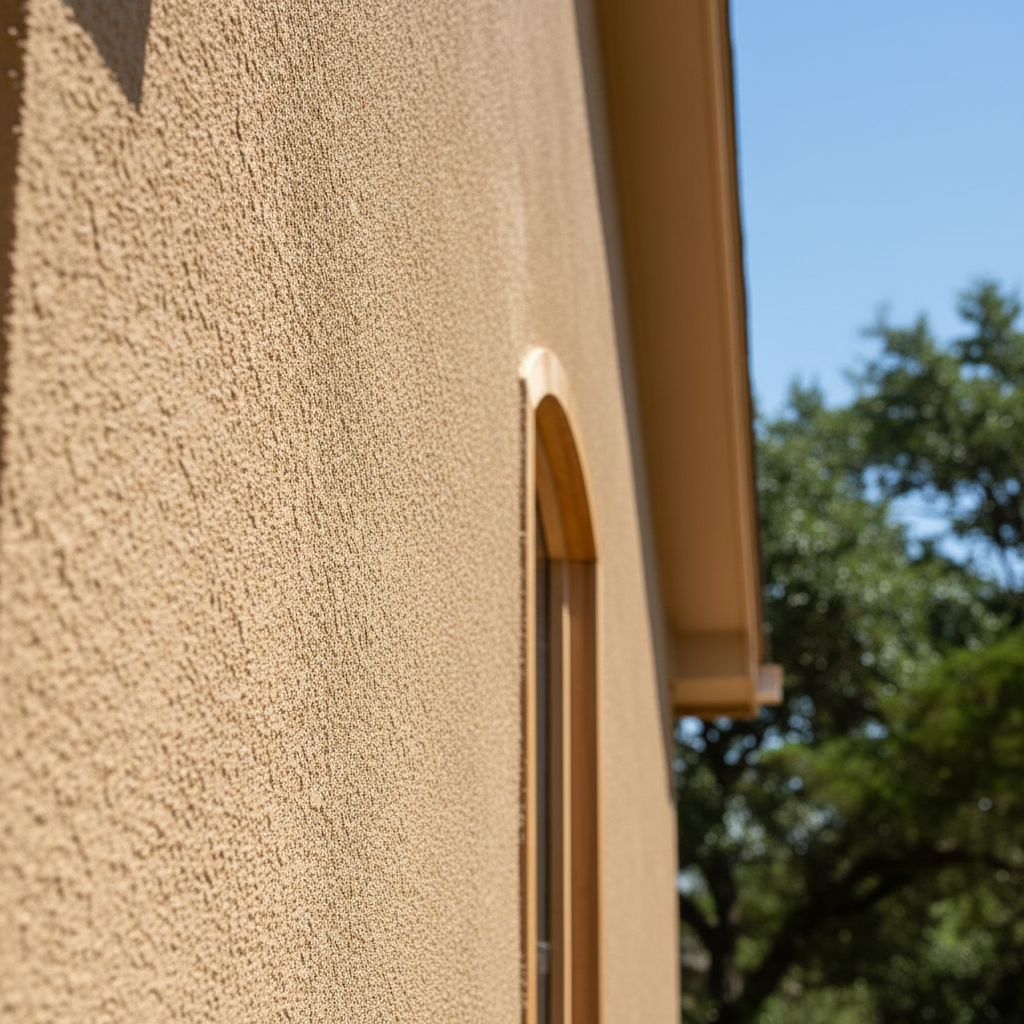
Why do people even remove stucco in the first place?
That's a good question, and honestly, there are a few reasons. Sometimes, it's purely aesthetic. Folks buy a house with stucco and just don't like the look; they want something different, maybe a more traditional brick or a modern siding. Other times, it's about maintenance. Old stucco, especially if it wasn't installed perfectly or has taken a beating from our crazy Leander weather – those scorching summers and sudden freezes – can start to crack, chip, or even fail. If you've got water intrusion issues, like moisture getting behind the stucco and causing rot, then removal becomes a necessity, not just a preference. We've seen plenty of homes in neighborhoods like Mason Hills where the original stucco just didn't hold up to the elements over time, leading to these kinds of problems.
Is stucco removal a DIY job, or do I need a pro?
Look, I'm all for homeowners tackling projects they can handle. But stucco removal? That's usually not one of them. It's messy, it's physically demanding, and it can be dangerous if you don't know what you're doing. You're dealing with heavy materials, potential lead paint if your house is old enough, and you could easily damage the underlying sheathing or framing if you're not careful. Plus, there's the waste disposal – that stuff adds up fast. Most importantly, once the stucco is off, you're exposing your home's structure to the elements. You need to have a plan for what's going to go on next, and that usually means getting a new weather barrier up quickly. Trust me, this is one of those jobs where hiring a professional like Paramount Stucco Solutions saves you headaches, time, and potentially more money down the road from repairs.
What's the process for removing stucco?
Alright, so you've decided to pull the trigger. Here's the general rundown. First, we'll prep the area – protect landscaping, windows, and anything else around your house. Then, we start with the actual removal. This usually involves hand tools like hammers, chisels, and pry bars to break the stucco away from the lath (the mesh it's attached to). Sometimes we use power tools, but you've got to be careful not to over-cut into the sheathing. Once the stucco and lath are off, we inspect the underlying sheathing and framing for any damage, rot, or mold. This is a critical step, and if we find issues, we'll discuss them with you and get them fixed. After any necessary repairs, we'll clean up all the debris – and there will be a lot of it. Finally, the surface is ready for whatever new exterior you've chosen, whether that's new siding, brick, or even a different type of stucco system.
How long does stucco removal take?
That depends on a few things: the size of your house, how many stories it is, and the condition of the stucco. A smaller, single-story home might take a few days for just the removal part. A larger, two-story house with complex architectural features could take a week or more. If we run into unexpected damage underneath, like extensive wood rot, that's going to add time for repairs. Our goal is always to work efficiently without cutting corners, making sure your home is protected throughout the process. We'll give you a more accurate timeline once we've had a chance to look at your specific property.
What happens after the stucco is removed? What's next for my home's exterior?
Once the old stucco is gone and any structural issues are addressed, your home's exterior is essentially a blank slate. Most folks in Leander opt for a few popular choices. You could go with traditional brick or stone veneer, which gives a classic Texas look and is super durable. Fiber cement siding, like HardiePlank, is another common and excellent option; it's low maintenance, fire-resistant, and holds paint well. Some people even choose to re-stucco with a modern, high-performance system that includes better drainage and weather barriers than older installations. The important thing is that whatever you choose, it needs to be installed correctly with proper flashing and a good weather-resistive barrier to protect your home from our often-wet and windy Central Texas climate.
What's the cost of stucco removal?
This is probably the most common question I get, and it's also the hardest to give a one-size-fits-all answer for. The cost of stucco removal varies a lot. Factors include the square footage of your home, how difficult the access is (e.g., steep slopes, tight spaces), the type of stucco (some older systems are harder to remove), and how much debris needs to be hauled away. Then, there's the big unknown: what we find underneath. If there's significant water damage, mold, or rot that needs remediation and repair, that's an additional cost. We always provide a detailed estimate after an on-site inspection so you know exactly what to expect. It's an investment, for sure, but it's an investment in the long-term health and value of your home.
Will removing stucco damage my home?
When done by experienced professionals, stucco removal shouldn't damage your home. In fact, if you're removing stucco because of underlying moisture issues, the removal process is actually the first step in saving your home from further damage. Our team is trained to carefully remove the stucco and lath while preserving the sheathing and framing underneath. We take precautions to protect windows, doors, and other vulnerable areas. Any minor nicks or scrapes to the sheathing are usually superficial and covered by the new weather barrier and exterior finish. The real risk of damage comes from inexperienced crews or trying to DIY it, which can lead to structural issues or improper preparation for the new exterior.